You love your dog. But do you know who may be suffering to make their food?
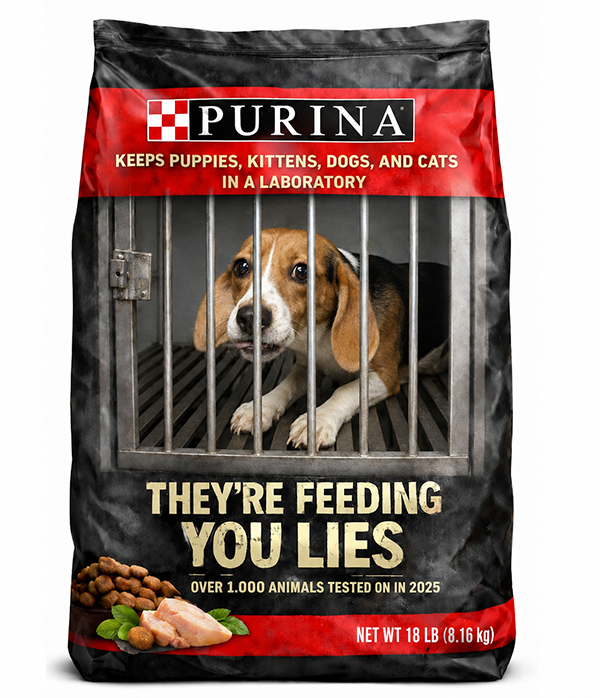
Behind some of the biggest animal food brands are dogs and cats suffering in laboratory research and feeding studies.
While companies sell you images of happy, healthy animals, other dogs and cats may be living their lives as test subjects.
This is who you could be harming when you buy food for your dogs at home.
Your animal shouldn’t have to eat at another’s expense.
It’s time to look beyond the label, uncover what’s really happening behind the bag, and choose cruelty-free.
Know what you’re feeding. Know what you’re funding.
Would you buy their food if you knew another dog or cat suffered for it?
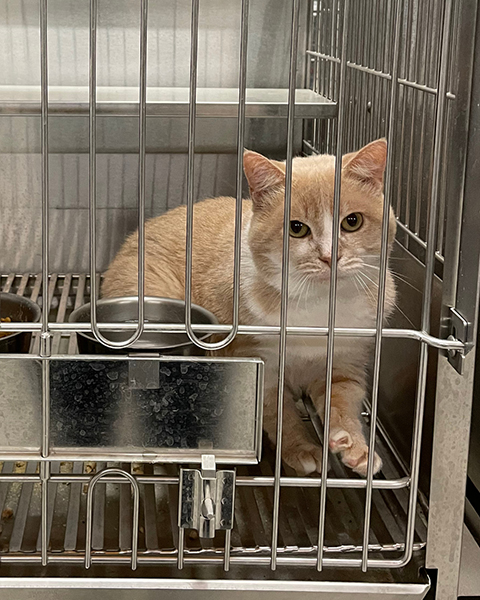
Dogs and cats used by the animal food industry may spend their lives in research facilities instead of homes.
They may be bred specifically for research, housed away from families, repeatedly monitored and subjected to tests—all so companies can collect data about the food they eventually sell to the animals we call family.
At Beagle Freedom Project, we know these animals aren’t research tools.
They are individuals who deserve the same compassion as the dogs and cats sleeping in our beds.
WHAT DOES “CRUELTY-FREE” ANIMAL FOOD ACTUALLY MEAN?
Cruelty-free doesn’t mean a company simply cares about animals.
It means animals are not subjected to harmful, invasive or unnecessary laboratory experiments in order to develop or market its food.
There are humane ways to ensure animal food is safe and nutritious.
Companies can formulate foods to meet established nutritional profiles and use non-invasive, humane studies with animals living in homes rather than laboratories.
WHEN “FEEDING TRIAL” MEANS MORE THAN FILLING A BOWL
When you hear the words feeding study, you might picture a happy dog trying a new bowl of food.
The reality can look very different.
Depending on the research being performed, dogs and cats may be housed at dedicated research facilities where companies study their food consumption, digestion, blood chemistry, urine, stool, body condition, and other biological responses.
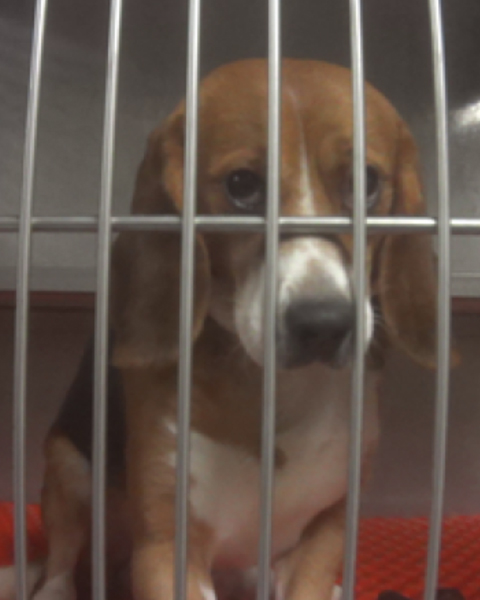
Testing associated with nutrition research can involve:
- Repeated blood draws
- Urine and fecal collection and analysis
- Restricting animals to controlled diets for weeks or months
- Closely controlled housing and routines
- Medical monitoring and examinations
- Long-term research studies
- In some nutrition research, additional procedures designed to measure how the body processes particular nutrients or ingredients
And even when a particular procedure isn’t physically painful, a lifetime spent as a research subject in a small cage is not the life these animals deserve.
Some companies maintain large populations of dogs and cats specifically for nutrition research. Hill’s, for example, publicly states that approximately 450 dogs and 450 cats live at its Pet Nutrition Center, while Purina publicly describes conducting feeding studies at its Pet Care Center.
We believe dogs and cats belong in homes—not research facilities.
BFP RECOMMENDS
Want to make the switch but don’t know where to start?
We’ve made it easy.
Good food. Better values.
Dave’s Pet Food is a longtime partner of Beagle Freedom Project and a brand we’re proud to recommend to families looking to make more compassionate choices for their dogs and cats.
From everyday recipes to options for animals with specific dietary needs, Dave’s offers a wide variety of food without asking you to compromise your values.
Fresh food with compassion in mind.
Get Joy offers fresh, whole-food meals designed with dogs’ nutrition and wellness at the center.
For families looking to move beyond traditional kibble while supporting a more compassionate approach to feeding their dog, Get Joy is one of BFP’s recommended options.
Use code BEAGLEFREEDOM at checkout for 20% off!




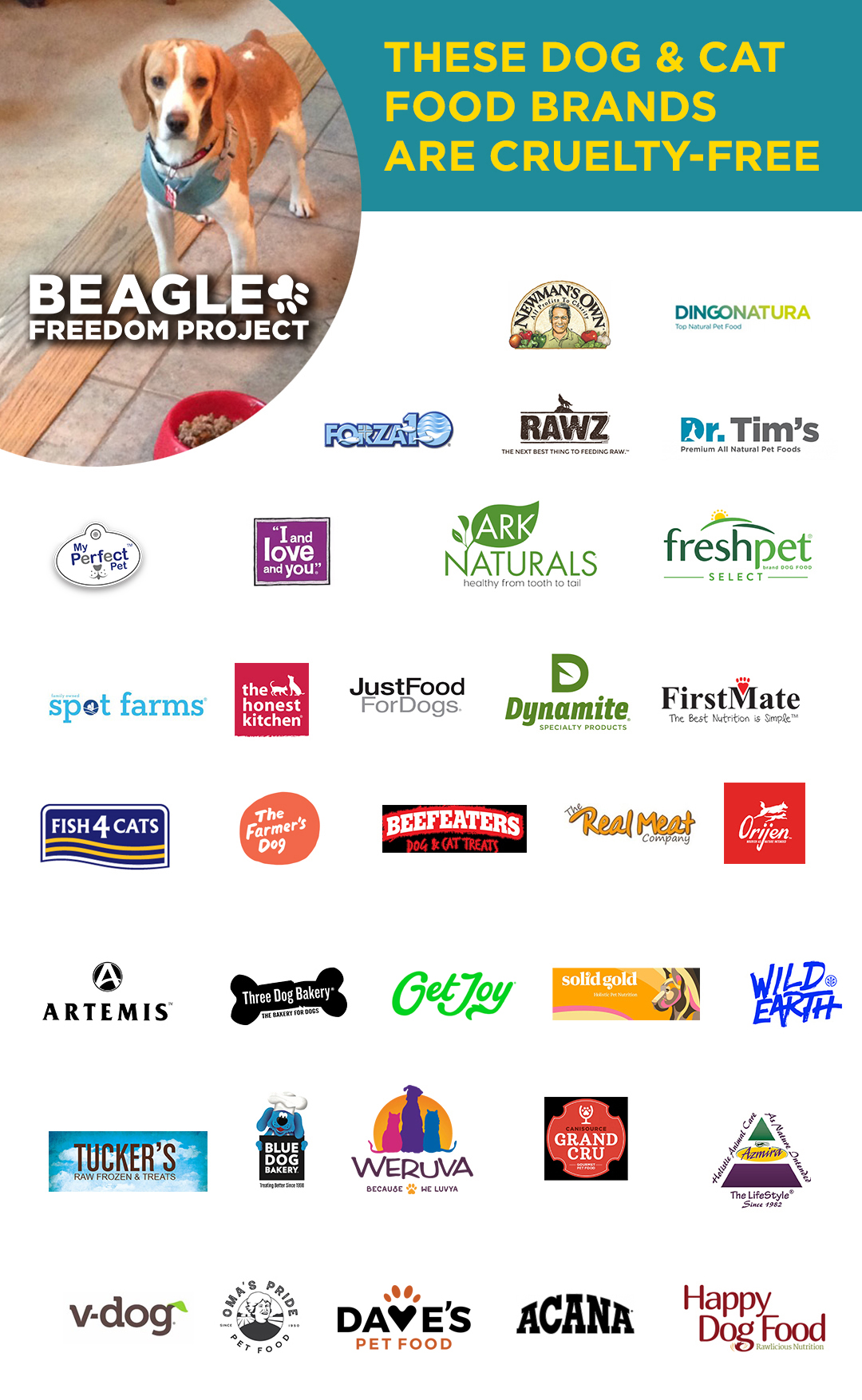
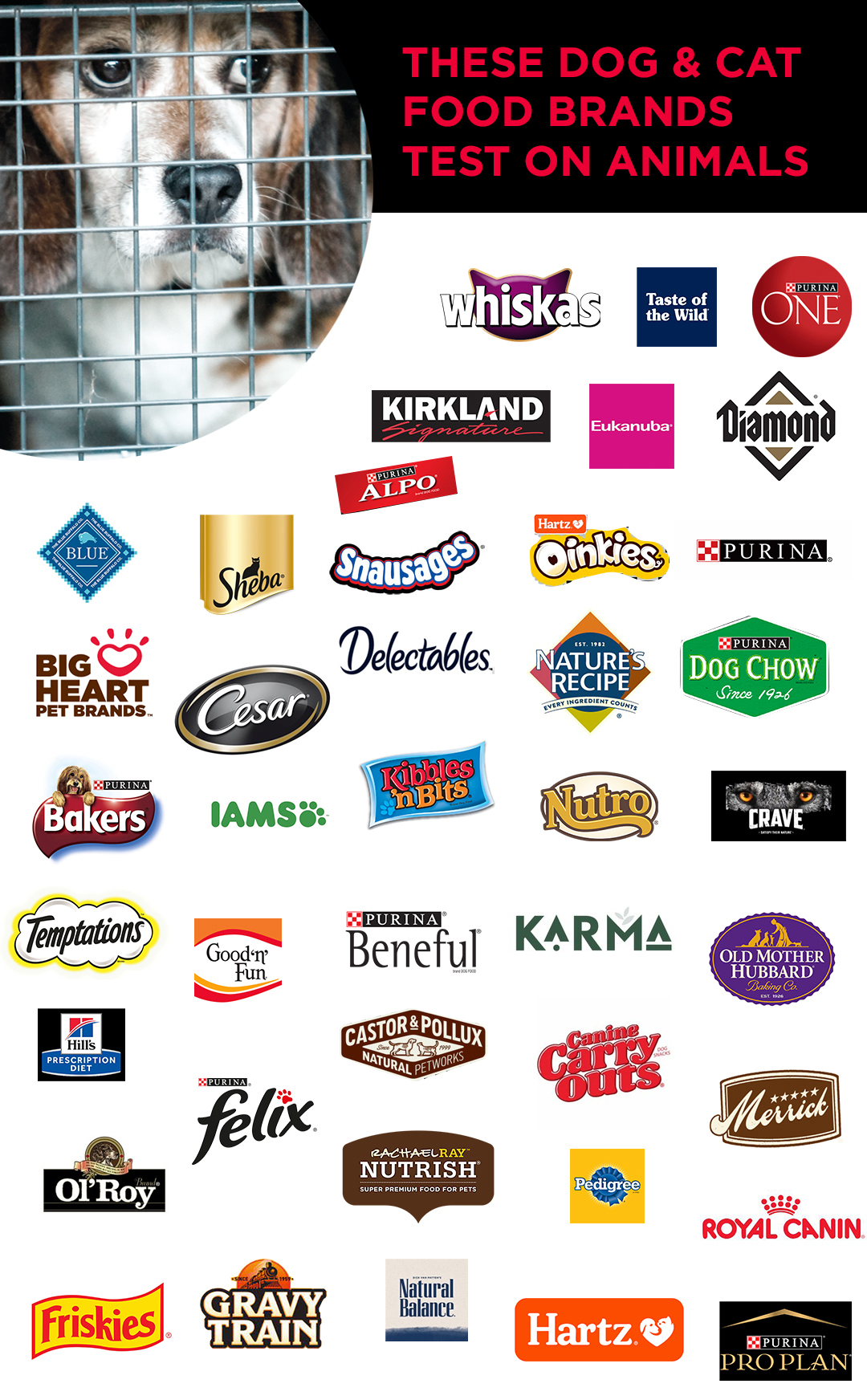
For easy reference, below is a list of dog and cat food brands that are cruelty-free—and those that aren’t. Keep it handy the next time you’re stocking up on food for your furry family member!